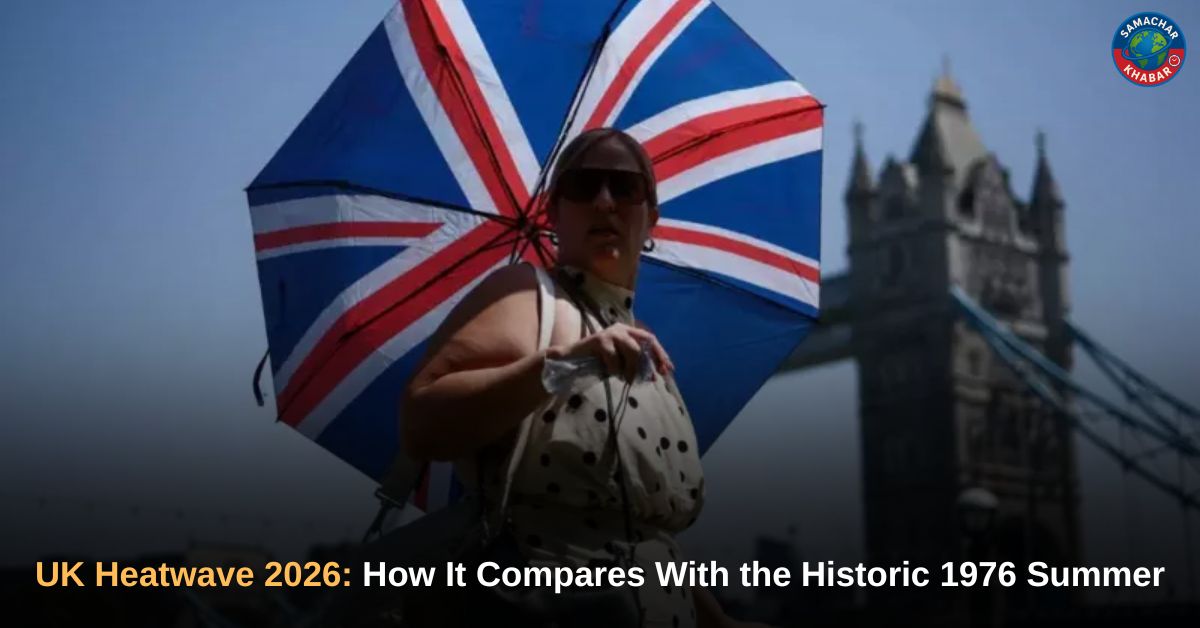
The UK heatwave 2026 has drawn national attention as prolonged high temperatures and heat-health alerts affect several regions. The current weather pattern has renewed comparisons with the famous 1976 heatwave, one of Britain’s most memorable periods of extreme summer weather.
While the 1976 summer was known for its long duration and severe drought conditions, modern heatwaves are occurring in a warmer climate. Scientists and weather agencies warn that rising average temperatures are increasing the frequency and intensity of extreme heat events.
According to climate assessments from the UK Met Office, the UK’s climate has warmed significantly since the 20th century, making today’s heat extremes different from those experienced decades ago.
UK Heatwave 2026 vs 1976: Key Differences Explained
The 1976 heatwave has been recorded in the history books because of the exceptional difficulty faced by the people. During that summer, the UK experienced a prolonged dry spell, water shortages, and temperatures above 32°C for 15 consecutive days in some areas.
However, the UK heatwave 2026 presents different challenges, including higher temperature peaks, warmer nights, and increased pressure on public health systems.
| Climate Factor | 1976 Heatwave | UK Heatwave 2026 |
| Main Concern | Drought and water shortage | Heat stress and rising temperatures |
| Temperature Pattern | Long-lasting dry heat | More intense heat events |
| Night Temperatures | Cooler nights provided relief | Warmer nights increase health risks |
| Climate Background | Before major modern warming trends | Occurring in a warmer global climate |
Why Are Modern Heatwaves Becoming More Dangerous?
The biggest difference between historical and modern heatwaves is the changing climate background. Average global temperatures have increased due to greenhouse gas emissions, according to reports from organizations including the United Nations and climate research institutions.
Higher temperatures create several risks:
- Increased chances of heat-related illnesses
- Greater stress on healthcare systems
- Disruption to transport infrastructure
- Higher electricity demand due to cooling needs
The human body cools itself mainly through sweating. During hot and humid conditions, evaporation becomes less effective, increasing the risk of heat exhaustion and heatstroke.
Also Read: India’s Heatwave Crisis 2026: How to Survive the Extreme Summer Ahead
What Is an Amber Heat-Health Alert?
An Amber heat-health alert means that high temperatures may significantly impact the wider population, including vulnerable groups.
These alerts are generally issued when authorities expect increased risks to:
- Elderly people
- Young children
- People with existing health conditions
- Outdoor workers
- Individuals living in poorly ventilated homes
Health agencies recommend staying hydrated, avoiding unnecessary outdoor activity during peak afternoon heat, and checking on vulnerable family members.
Impact of Heatwaves on UK Infrastructure
Extreme heat affects more than human health. Infrastructure systems designed for cooler conditions can face challenges during prolonged hot weather.
Potential impacts include:
- Railway track expansion and speed restrictions
- Increased demand on electricity networks
- Overheating inside buildings without cooling systems
- Pressure on emergency services
The UK’s housing design historically focused more on retaining warmth during cold months rather than managing extreme summer temperatures.
How Can People Stay Safe During a UK Heatwave?
Experts recommend several precautions during extreme heat:
- Drink sufficient water regularly.
- Avoid direct sunlight during the hottest hours.
- Keep indoor spaces cool by closing curtains during peak heat.
- Wear lightweight clothing.
- Check elderly neighbours and vulnerable individuals.
The Scorching Summers: Finding a Sanctuary Beyond the Changing Seasons
The intense UK heatwave of 2026 has naturally drawn widespread comparisons to the historic summer of 1976, revealing how our planet’s climate boundaries are rapidly shifting. The rising difficulties in summer and infrastructure related challenges leaves us facing an unavoidable reality. But have we ever paused to think—why is humanity constantly scrambling against the changing forces of nature? If our meticulously engineered world cannot guarantee a stable refuge from temporary weather anomalies, how can we expect it to protect us from the deeper, inevitable storms of life?
This planetary restlessness makes us wonder if there exists a permanent realm completely untouched by physical suffering and distress. The true spiritual knowledge of Sant Rampal Ji Maharaj beautifully fills this gap, shifting our focus from temporary earthly survival to the eternal comfort of Satlok (the supreme, unchangeable spiritual abode). By understanding true spiritual laws, we can find a permanent sanctuary that no earthly heatwave can ever disturb.To learn more about finding eternal peace, watch this video:
FAQs on UK Heatwave
How long did the 1976 UK heatwave last?
The 1976 heatwave was one of Britain’s longest and most severe summers, with 15 consecutive days recording temperatures above 32°C somewhere in the UK.
Is the UK heatwave 2026 worse than the 1976 heatwave?
The two heatwaves are different. The 1976 event was notable for drought and duration, while modern heatwaves are influenced by a warmer climate and higher temperature extremes.
What does an Amber heat-health alert mean?
An Amber heat-health alert indicates that extreme temperatures could affect a wider section of the population and create pressure on health services.